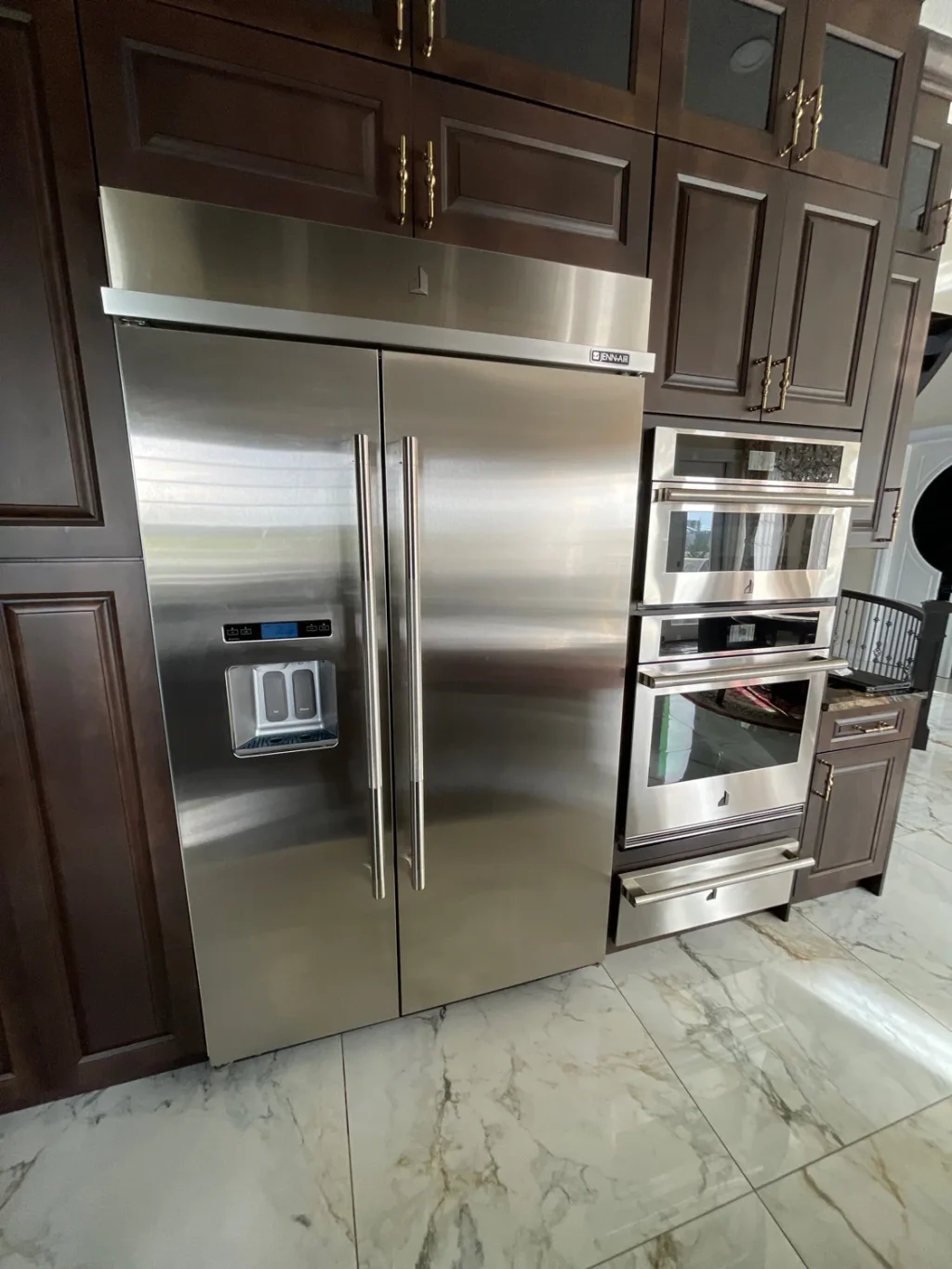
A broken fridge can be a real headache, especially when your food is at risk of spoiling. Before calling a repair technician, it’s worth taking a few minutes to check for simple issues you might be able to fix yourself. Even if you can’t solve the problem, a little troubleshooting can help you figure out what’s wrong and give the technician you call for fridge repair Edmonton a head start.
Here’s a quick guide to help you get started.
Check the Power Connection
Confirm that the fridge is properly plugged in and receiving power. Inspect the power cord for any visible damage, and ensure it’s securely connected to the outlet. You might also want to test the outlet by plugging in another appliance to confirm that it’s functioning correctly.
Inspect the Temperature Settings
Sometimes, fridge problems come down to incorrect temperature settings. Open your fridge to see if the temperature dial or digital control panel has been adjusted accidentally. Changes can happen when cleaning or reorganizing the fridge. Reset the dial to the recommended level.
Clean the Condenser Coils
Dirty or clogged condenser coils can prevent your fridge from cooling efficiently. The coils are usually located at the back or bottom of the appliance. Unplug the fridge for safety, and use a vacuum or a coil cleaning brush to remove dust and debris.
Listen for Strange Noises
Pay attention to the sounds your fridge is making. A humming noise is normal, but loud clanking or grinding could indicate a mechanical issue, such as a faulty fan motor or compressor. If you hear irregular sounds, it might be a sign to consult a professional.
Check the Door Seals
If the seals are worn out, cracked, or not fitting tightly, cold air can escape, causing the fridge to work harder and less efficiently. Gently clean the seals with warm soapy water, and test for any gaps by closing the door on a piece of paper. If the paper slips out easily, the seals might need to be replaced.
Look for Signs of Frost Buildup
Excess frost in the freezer could indicate a problem with the defrost system. Check for frost accumulation on the walls or shelves of the freezer. A clogged defrost drain or a defective defrost timer might be the culprit. Regularly defrosting your freezer and keeping it clear of blockage can minimize such issues.



More Stories
How Physiotherapy Prevents Long-Term Damage From Car Accident Injuries
9 Budget-Friendly Kitchen Remodel Ideas That Look Expensive
How Often Should Carpets Be Professionally Cleaned?